
Designing for Accessibility: Making Your Home Renovation Inclusive
When you embark on a home renovation, you’re not just updating your living space—you’re investing in your family’s future comfort, safety, and independence. One of the most meaningful ways to do this is by integrating accessibility features into your renovation plans. Accessible design isn’t just for those with immediate mobility needs; it benefits everyone, from young children to aging adults, and ensures your home remains welcoming and functional for years to come.
The Lasting Impact of Accessible Design
Accessibility is about creating spaces that everyone can use safely and comfortably, regardless of age or ability. Nearly 1 in 4 Americans lives with a disability. As families grow and circumstances change, the need for accessible features often becomes more apparent. Proactively designing for accessibility ensures your home adapts to evolving needs, whether you’re planning to age in place or want to welcome guests of all abilities.
Beyond personal benefits, accessible homes are increasingly attractive to buyers. Features like step-free entries and wider doorways are among the most requested by homebuyers, making them a smart investment for resale value.
Key Accessibility Features to Consider
Wider Doorways and Hallways for Easy Navigation
Standard doorways, often just 28 to 30 inches wide, can be a barrier for people using wheelchairs, walkers, or strollers. By widening doorways and hallways to at least 36 inches, you create a more open, navigable space for everyone. This modification also makes it easier to move furniture and accommodate large items, providing flexibility for future renovations.
Ramp Installations: Safe and Stylish Entryways
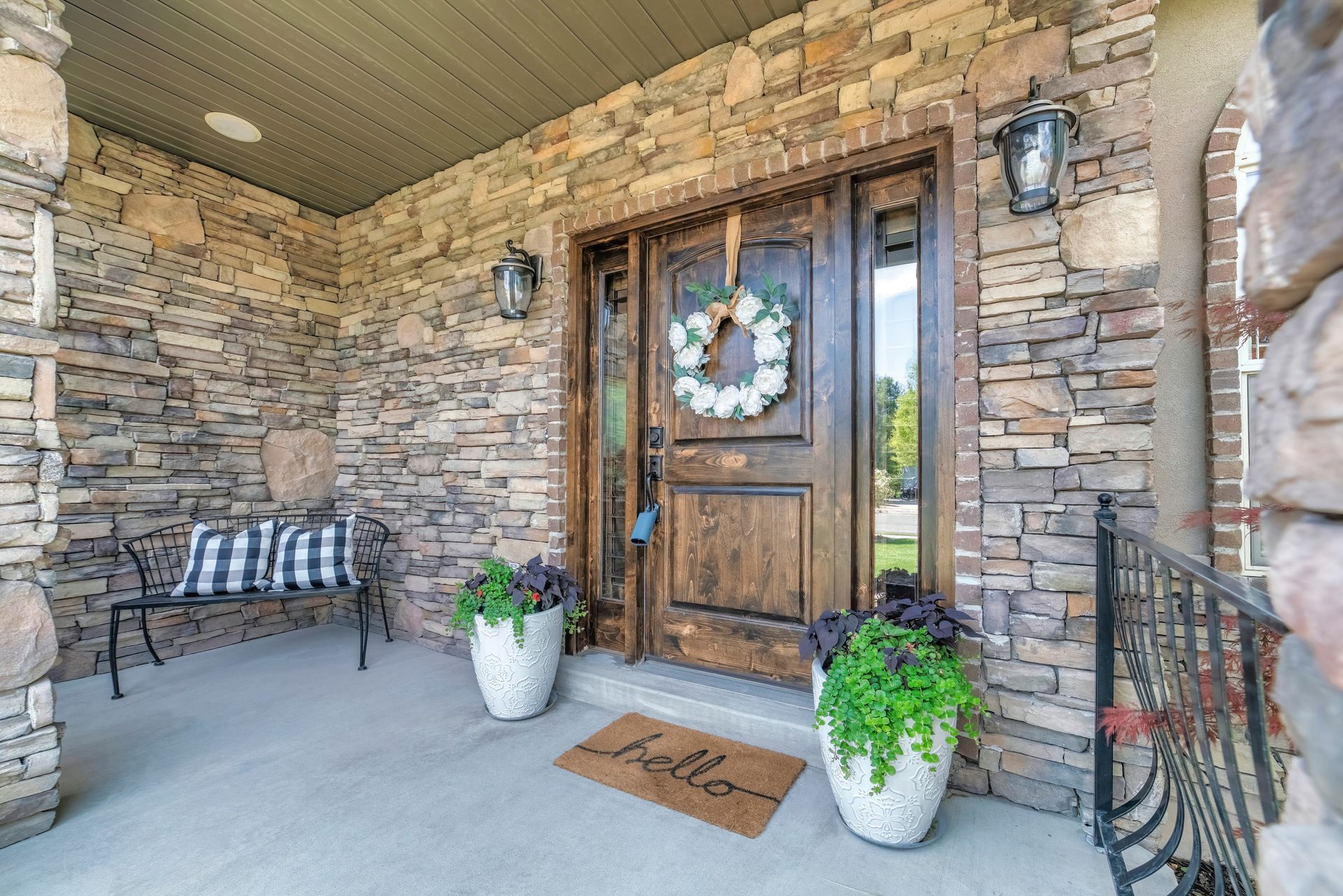
Stairs at entryways can be a significant obstacle for those with mobility challenges. Installing a ramp provides safe, easy access to your home for everyone, including those using mobility aids or parents pushing strollers. Modern ramps can be constructed from a variety of materials to match your home’s exterior, ensuring both safety and curb appeal. The Americans with Disabilities Act recommends a gentle 1:12 slope for ramps, which means every inch of rise requires at least one foot of ramp length, ensuring a comfortable incline.
Adaptable Kitchen and Bathroom Layouts
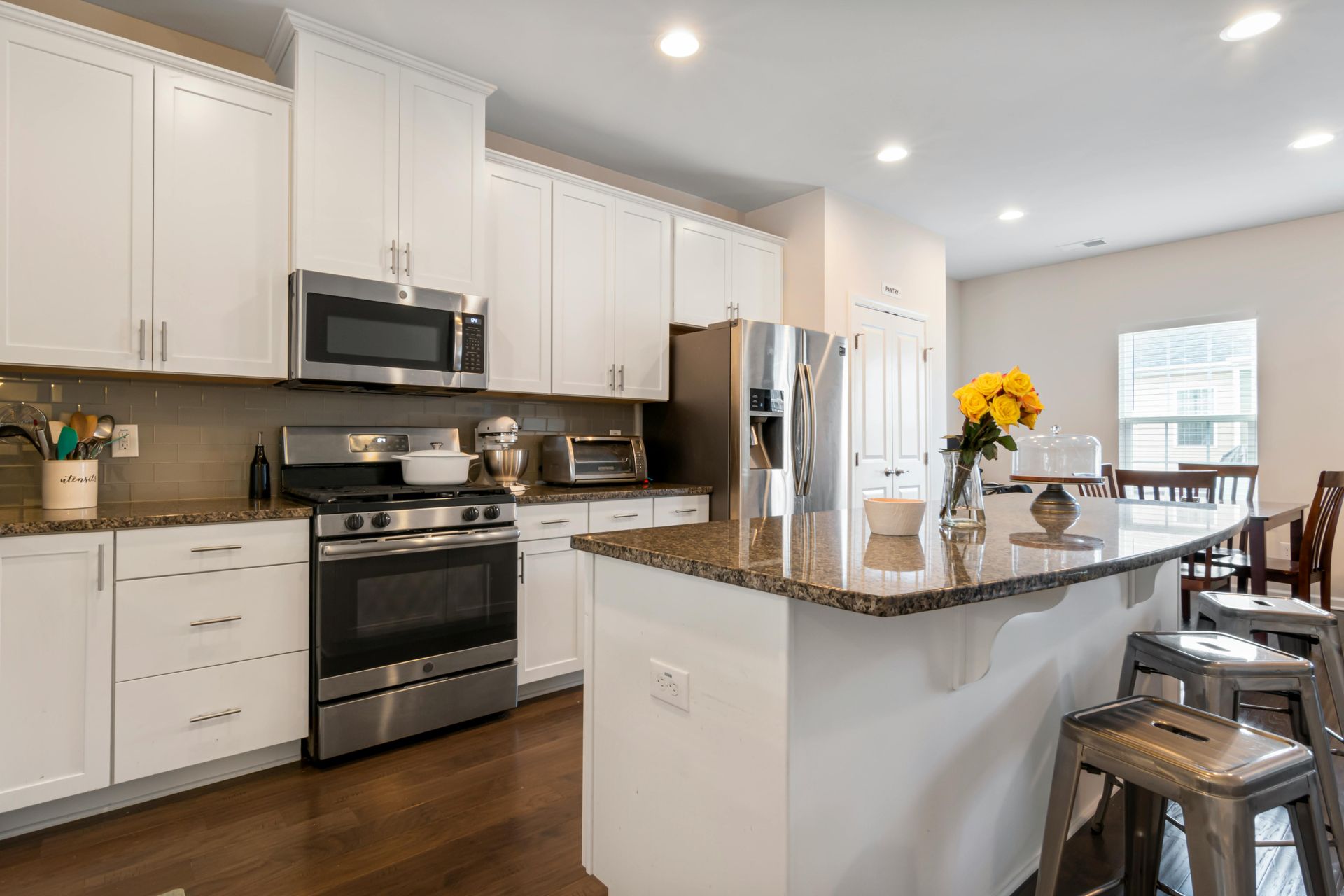
The kitchen and bathroom are two of the most critical areas for accessibility improvements. In the kitchen, consider adjustable-height countertops, pull-out shelves, and lever-style handles that are easier for everyone to use. Lowering wall cabinets or installing pull-down shelving can make storage accessible to those with limited reach.
Bathrooms benefit from curbless showers, grab bars, and non-slip flooring. Installing a shower seat and handheld showerhead can make bathing safer and more comfortable. Falls are the leading cause of injury among older adults, making these features vital for long-term safety. Reinforcing bathroom walls during renovation allows for future grab bar installation, providing flexibility as needs change.
Thoughtful Lighting and Smart Technology
Good lighting is essential for accessibility, especially for individuals with visual impairments. Incorporate layered lighting—ambient, task, and accent—to reduce shadows and glare. Smart home technology, such as voice-activated lights, thermostats, and security systems, can further enhance independence and convenience for everyone in the household.
Open Floor Plans and Barrier-Free Spaces
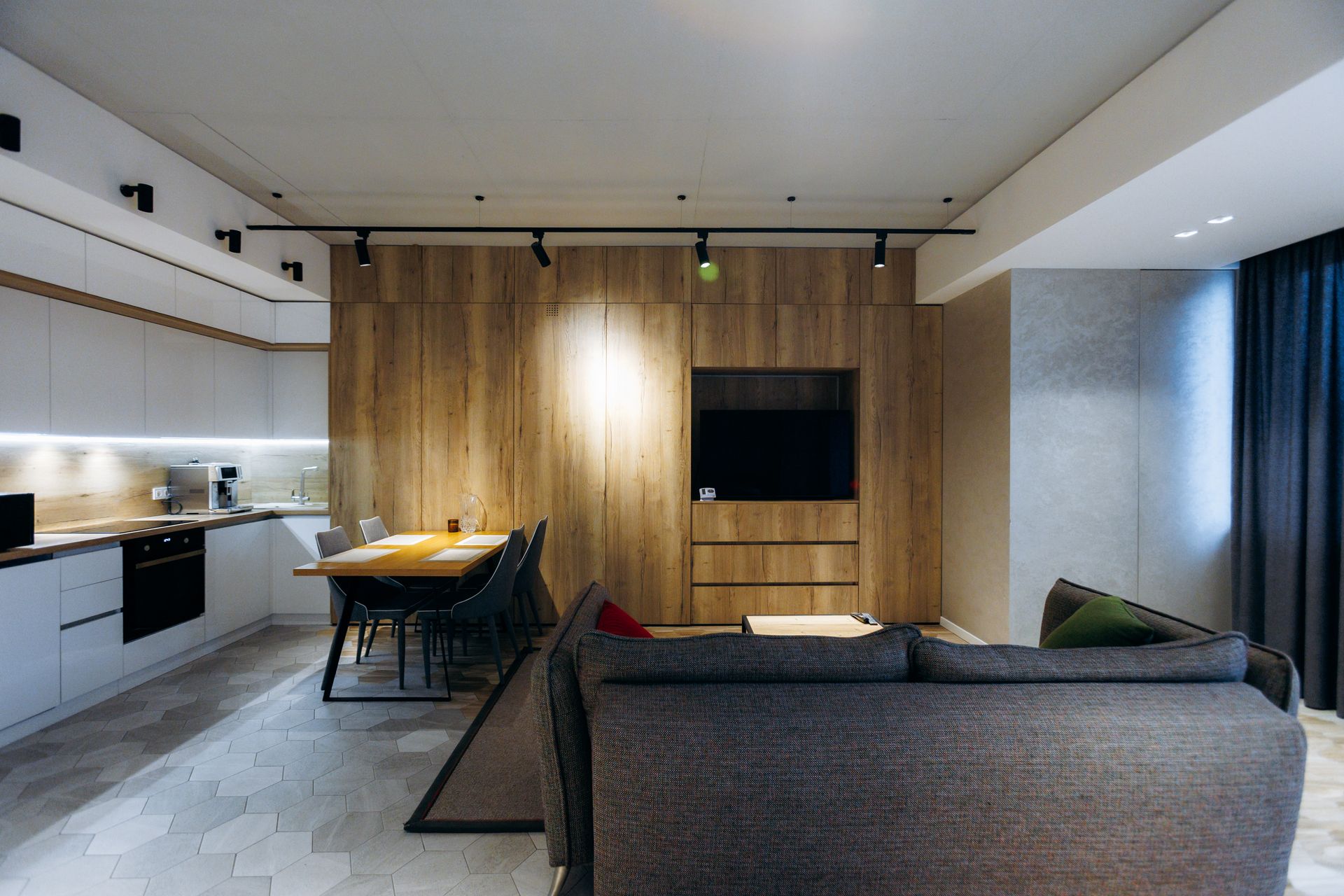
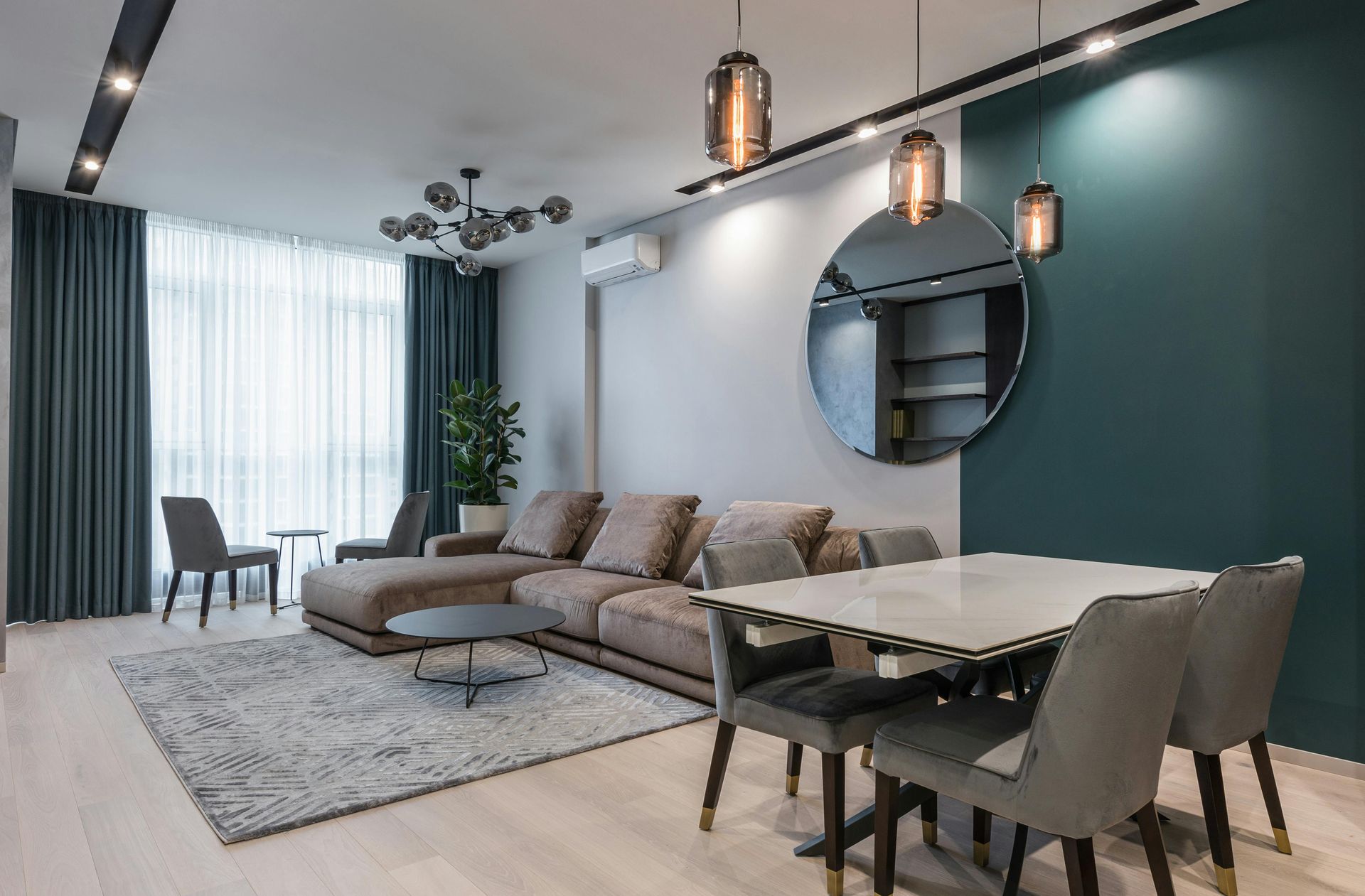
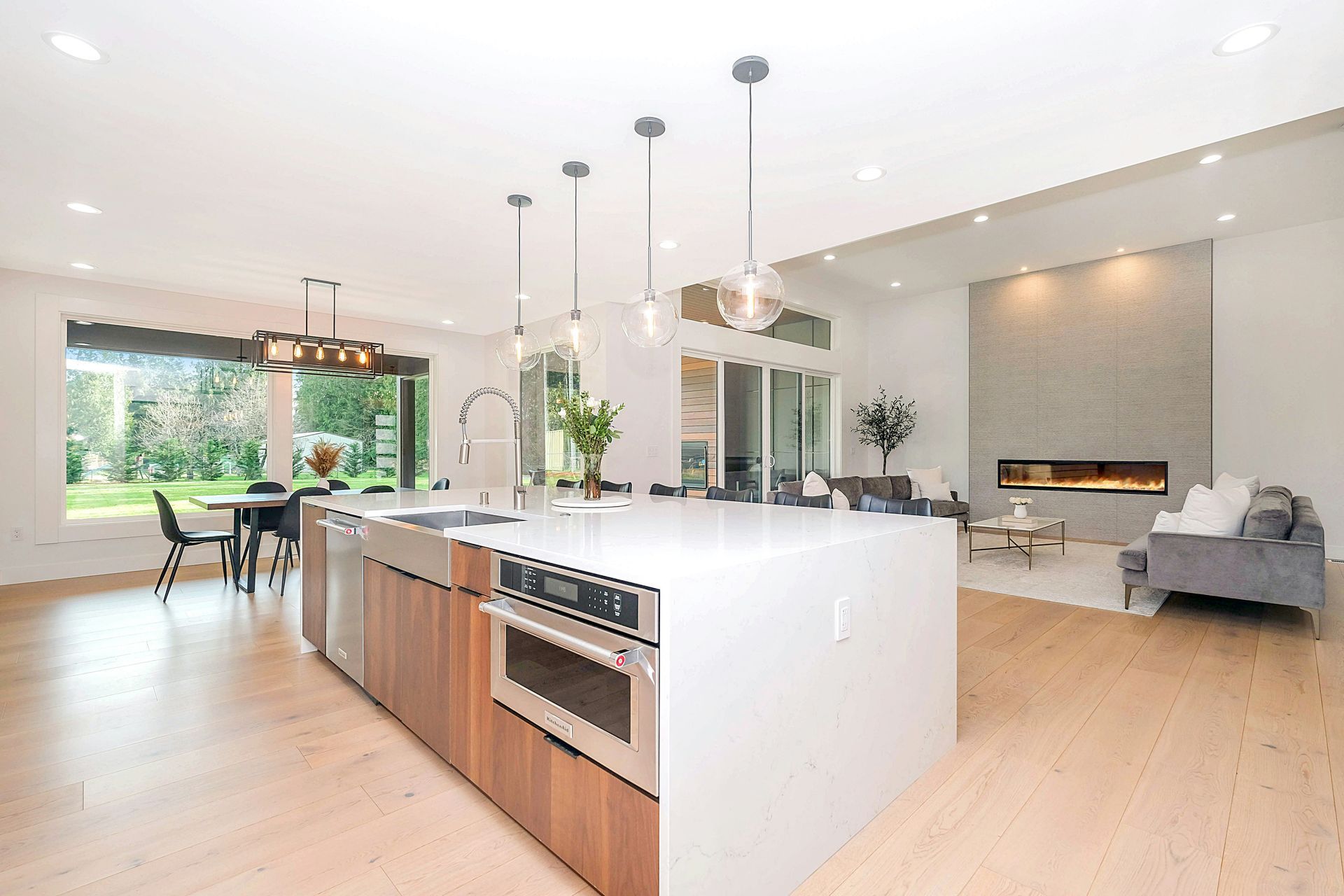
Open floor plans not only create a modern, airy feel but also improve maneuverability for those using wheelchairs or walkers. Removing unnecessary walls, widening passageways, and minimizing level changes (such as sunken living rooms) help create a seamless, barrier-free environment. For homes with multiple stories, consider installing a residential elevator or stair lift to ensure accessibility on every level.
Planning for Present and Future Accessibility Needs
One of the biggest advantages of designing for accessibility is future-proofing your home. Even if you or your loved ones don’t currently have mobility challenges, your needs may change over time. By incorporating features like reinforced bathroom walls, open layouts, and accessible entrances during a renovation, you avoid costly retrofits down the line.
At Jensen Pro Construction, our team guides homeowners through every step of the renovation process. We work with you to identify your current needs and anticipate future changes, ensuring your investment delivers lasting value and peace of mind. Our portfolio showcases a variety of accessible renovation solutions tailored to each client’s unique requirements.
The Value of Professional Guidance
While there are many resources available for accessible home design, partnering with experienced, licensed professionals ensures your renovation meets both your needs and all relevant building codes. Our team at Jensen Pro Construction prioritizes best practices, quality craftsmanship, and client satisfaction on every project. We stay up to date with the latest accessibility guidelines and universal design trends, so you can be confident your home will be safe, stylish, and functional.
If you’re ready to discuss your renovation goals or have questions about accessible design, contact us to schedule a consultation. We’re here to help you create a home that’s inclusive, comfortable, and ready for whatever the future holds.